Learning Strategies – Reflection


Foundation — Month 2
Skill Discovery & Development • Learning Strategies — Reflection
What Your Relationship With Learning Is Really Telling You
Skill Discovery & Development — Reflection
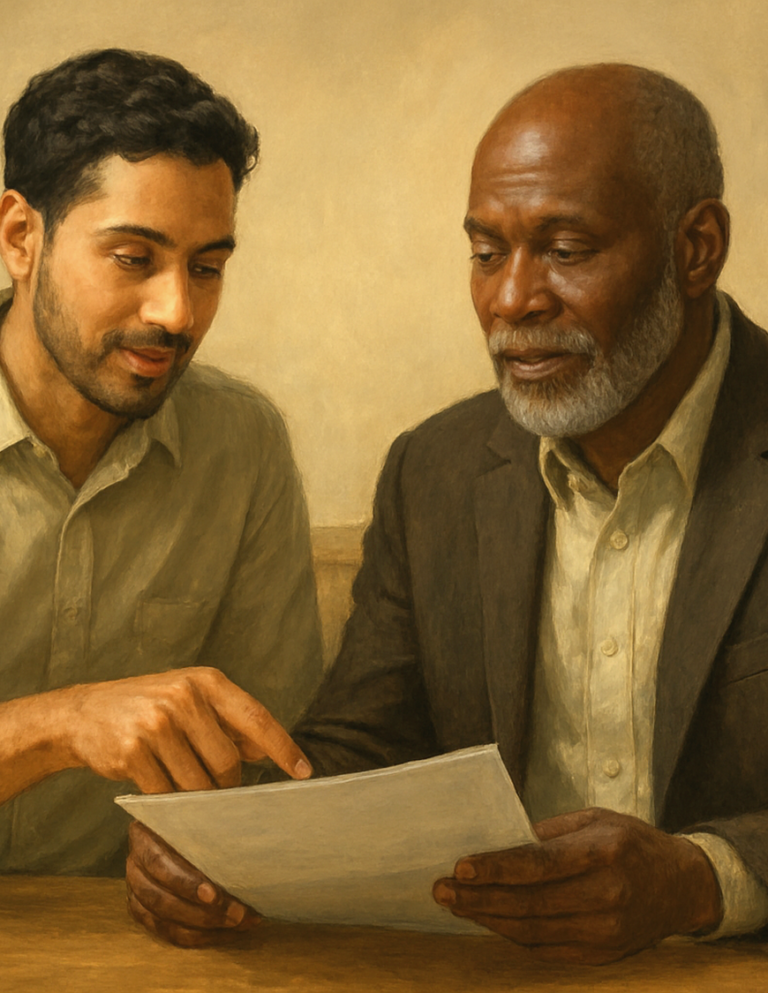
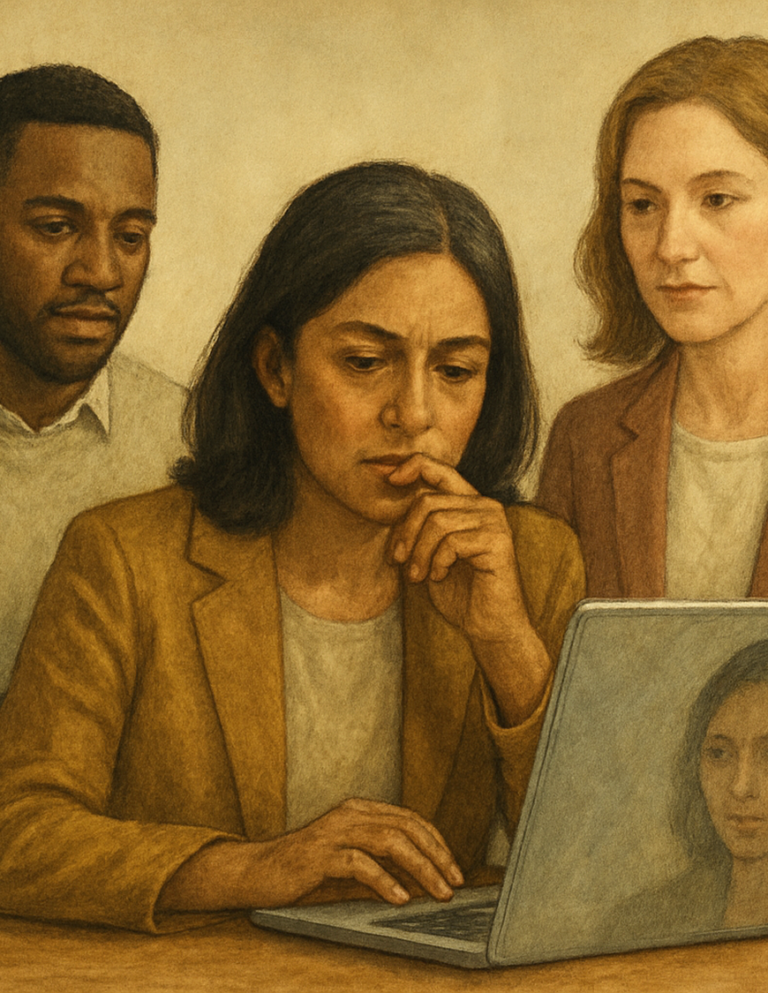
There’s a particular feeling many adults carry into learning situations — a low-level tension that shows up the moment they sit down to study something new. It might feel like restlessness, or a sudden awareness of how much else needs to get done, or a quiet inner voice that says “I was never good at this kind of thing.” It’s easy to dismiss as distraction or procrastination. But for a lot of people, that feeling has a history. It’s carrying the weight of school experiences that didn’t go well, of being compared to faster learners, of feeling like understanding always came a little harder or a little later. If any of that resonates, it’s worth looking at directly — because it shapes how you approach learning now, often in ways you don’t fully notice.
Here’s the reframe that matters: most of what we were taught about learning in school was wrong, or at least incomplete. The methods that dominate traditional education — re-reading, reviewing notes, listening to lectures — are among the least effective approaches that research has identified. The students who thrived in that environment weren’t necessarily more intelligent. In many cases, they were either better at the specific methods school rewarded, or they’d accidentally discovered more effective habits on their own. Difficulty during learning isn’t a sign of low ability. It’s often the exact signal that real learning is happening — that the brain is doing the hard work of building something new, rather than recognizing something already familiar.
That reframe opens something up. If your past struggles with learning were partly a method problem rather than a capacity problem, then what becomes possible now? As an adult, you have something most students don’t: genuine choice in how you approach learning. You can choose methods that actually work. You can schedule learning in ways that fit your brain, not an arbitrary school calendar. You can focus on skills that are directly connected to goals you care about, which changes your relationship with the effort involved. Learning as an adult, approached with good strategy, can feel fundamentally different from learning as a student following someone else’s system.
What story have you been carrying about yourself as a learner — and is it actually based on evidence, or on a system that wasn’t designed for the way you work best?
Reflect With AI
Learning Identity Reflection
Use this prompt to explore the story you carry about yourself as a learner — and find out whether it’s still serving you or holding you back.
I want to reflect on how I think and feel about learning — especially in the context of building skills for my career.
Ask me these questions one at a time, waiting for my answer before continuing:
1. When you think about sitting down to learn something new, what feeling comes up first — and where do you think that feeling comes from?
2. Is there a belief you carry about yourself as a learner — something like “I’m slow,” “I need to read things twice,” or “I was never good at this kind of thing”? Where did that belief come from?
3. Think of a time you learned something well — something that actually stuck. What was different about that experience compared to times learning felt hard?
After each answer, reflect back what you heard and gently help me examine whether the belief or pattern is based on real evidence or on a past context that may no longer apply. When we’ve finished, offer me a short reframe — a new way of seeing myself as a learner that’s grounded in what I’ve told you, and write one sentence I can keep as a reminder of that perspective.
About Pathfinder Campus
Pathfinder Campus is a career development community for adults navigating transitions. We combine one-on-one coaching, AI-powered practice tools, and a community of people who understand what it feels like to be in the middle of something uncertain — and who are determined to move through it with clarity and confidence.
📅 Join us Wednesday at 7:00 PM (PT)
Career Compass Community Meeting — live discussion of this week’s topic. Free for members.