The Interview Doesn’t End When You Leave the Room
Interview Skills • Follow-Up Strategy — Deep Dive
The Interview Doesn’t End When You Leave the Room
Interview Skills — Follow-Up Strategy · ~8 min read
For most people, follow-up is an afterthought — a quick courtesy note sent within a day of the interview, followed by silence while they wait for a decision. That approach leaves a significant amount of opportunity on the table. The period between a professional interaction and a hiring decision is active, not passive. And what you do in it shapes how you’re perceived, how memorable you are, and how likely you are to be the person they call first when something moves.
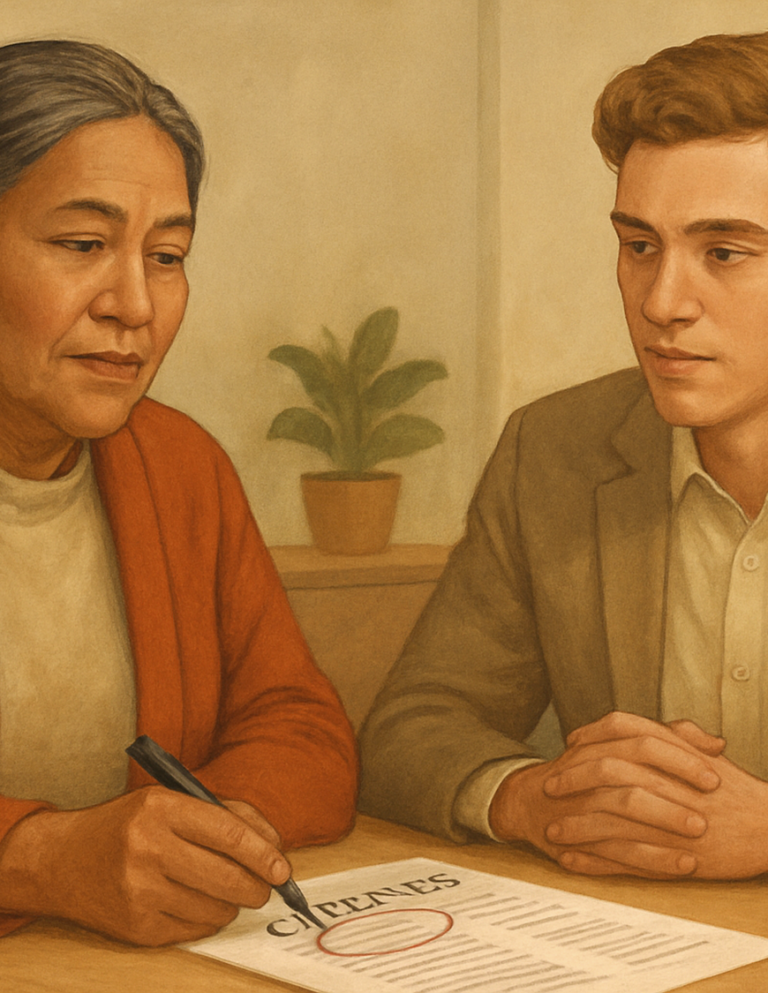
A former student of mine had identified a company she genuinely wanted to work for. She had researched it carefully, liked its values, and believed it offered the kind of long-term growth she was looking for.
When a suitable position opened, she applied—even though she was still completing college and could only work part-time. Her interviews went well, and she made it to the final stages. But she didn’t get the job. The company explained that another candidate had similar qualifications and greater availability.
She was disappointed, but she didn’t let the rejection become the end of the relationship.
She wrote back, thanked them for considering her, and reminded them of the strengths they had repeatedly commented on during her interviews. She then added that she hoped they would consider her again once she had graduated and was available full-time.
More than a year later, another position opened. She applied again and mentioned that she had previously been shortlisted. They remembered her.
Because she had left such a professional final impression, she was able to move quickly through the hiring process. After one meeting with the final decision-maker, she was offered the job—and began the promising career she had been working toward all along.
Her follow-up didn’t reverse the first decision. It did something more valuable: it kept the door open.
Why Follow-Up Is a Strategy, Not a Courtesy
Sending a thank-you note after an interview is bare minimum. It signals basic professionalism and courtesy. But a follow-up strategy is something more deliberate: a consistent, value-adding approach to staying visible and building relationships throughout your job search, not just in the immediate aftermath of a single interview.
The distinction matters because hiring decisions rarely happen in a single moment. There’s typically a first conversation, time to deliberate, additional conversations, internal discussions, and then a decision. That timeline might be a week or it might be three months. During that entire period, the people involved are forming and revising impressions. Candidates who go quiet during this time often come across as less interested or less engaged than those who remain appropriately visible — even when that’s not remotely true.
A well-crafted follow-up strategy is also how you differentiate yourself in a crowded field. When multiple candidates have similar qualifications, the one who sends a specific, thoughtful follow-up — one that adds to the conversation rather than just acknowledging it — is the one most likely to stay top of mind.
Companies Hire More Than Once
It’s easy to picture a job opening as a single door that’s either open or closed. But organizations don’t hire once and stop. Positions at every level have to be filled again and again — people get promoted, leave for opportunities elsewhere, or retire, and as technology advances, roles change and entirely new ones appear. The company that has no place for you today may have exactly the right place for you six months from now.
That’s why it’s worth finding the company or industry where you genuinely fit before fixating on whichever specific job happens to be posted. When you’ve built a professional relationship with an organization that’s a strong match, a well-timed follow-up can open a door that wasn’t even on the table when you first applied — a role that hadn’t been created yet, or one that opened the moment someone moved on. The former student earlier in this article didn’t just follow up on a job; she stayed connected to a company she believed in, and that’s what eventually let her in.
The Anatomy of a Strong Post-Interview Follow-Up
The most effective post-interview follow-up has four characteristics. It’s timely — ideally within twenty-four hours while the conversation is still fresh for both parties. It’s specific — it references something real from the conversation, not just a generic expression of gratitude. It adds something — a thought, a resource, a clarification, a question — rather than simply restating interest. And it’s brief — two to four sentences, not a second cover letter.
Specificity is the part most people skip, and it’s the part that makes the biggest difference. “Thank you for your time, I really enjoyed learning about the role” is forgettable. “I appreciated your description of how the team handles product decisions — it reminded me of the process we built at [previous role], and I’d love to talk more about how that experience could be relevant to what you’re building” is memorable. It shows you listened, it reinforces your fit, and it opens another door.
Following Up on Networking Conversations
Post-networking follow-up is, if anything, more important than post-interview follow-up — because the relationship is less defined and therefore easier to let slip. A conversation at an event, an informational interview, a LinkedIn connection who responded thoughtfully to your message — all of these represent openings that need to be cultivated if they’re going to become anything useful.
The most effective networking follow-up arrives quickly (within forty-eight hours), references the conversation specifically, and either offers something (an article, a connection, a resource relevant to something they mentioned) or asks something (a specific question that continues the conversation). The goal is to give the person a reason to respond — and to do that, you need to make the exchange genuinely useful to them, not just to you.
A networking relationship that gets one follow-up and then silence is not a networking relationship. It’s a conversation. The difference between a conversation and a relationship is what happens after — the ongoing, occasional, value-adding contact that keeps you connected over time.
When Things Go Quiet: Following Up on Silence
One of the most anxiety-inducing parts of a job search is the silence that often follows a promising conversation. The hiring manager said they’d be in touch in two weeks. Three weeks have passed. You don’t know whether the role has been filled, whether there’s an internal delay, whether your email went to spam, or whether you simply weren’t the candidate they moved forward with.
Most people in this situation either do nothing (and spend the next several weeks in a low-grade anxious limbo) or follow up apologetically and excessively. Neither serves you. The better approach is a single, professional, low-pressure check-in: “I wanted to follow up briefly on our conversation from [date] — I remain very interested in the role and would welcome any update on timing you’re able to share. I know these decisions take time, and I appreciate the consideration.” That’s it. Send it, and then genuinely move on — continue your search, pursue other opportunities, and treat this one as uncertain rather than lost.
Timing matters here too. Three to five business days after the expected decision date is generally appropriate. If there’s still no response after a second check-in, the most productive thing you can do is shift your attention to other opportunities while leaving the door open — “Please don’t hesitate to reach out if circumstances change” — rather than continuing to invest additional time and energy into diminishing returns.
Building a Simple Follow-Up Tracking System
The single most practical thing you can do to support a consistent follow-up strategy is to keep a simple tracking record. Nothing elaborate — a spreadsheet or even a notes document with columns for: name and organization, date of last contact, what you sent or discussed, what the next step is, and a target date for the next follow-up.
Without some kind of tracking, follow-up becomes inconsistent. You either let things drop because you lose track of where you left off, or you over-reach with someone because you’ve lost count of how many times you’ve been in touch. The tracking system is what turns follow-up from a vague intention into an actual practice.
A job search is not a series of discrete events that you either win or lose. It’s a sustained relationship-building process, and follow-up is the connective tissue that holds it together. The candidates who do this well — consistently, specifically, thoughtfully — build better relationships, stay more visible, and create more opportunities than those who treat every conversation as a coin flip. That’s a skill worth developing deliberately.
About Pathfinder Campus
Pathfinder Campus is a career development community for adults navigating transitions. We combine one-on-one coaching, AI-powered practice tools, and a community of people who understand what it feels like to be in the middle of something uncertain — and who are determined to move through it with clarity and confidence.